Trusted by Enterprises, Startups, NGOs & Innovation Teams Worldwide



Omdena helps enterprises, logistics providers, manufacturers, retailers, transportation operators, and supply chain innovators design, build, and deploy production-ready AI solutions at a fraction of enterprise development costs.
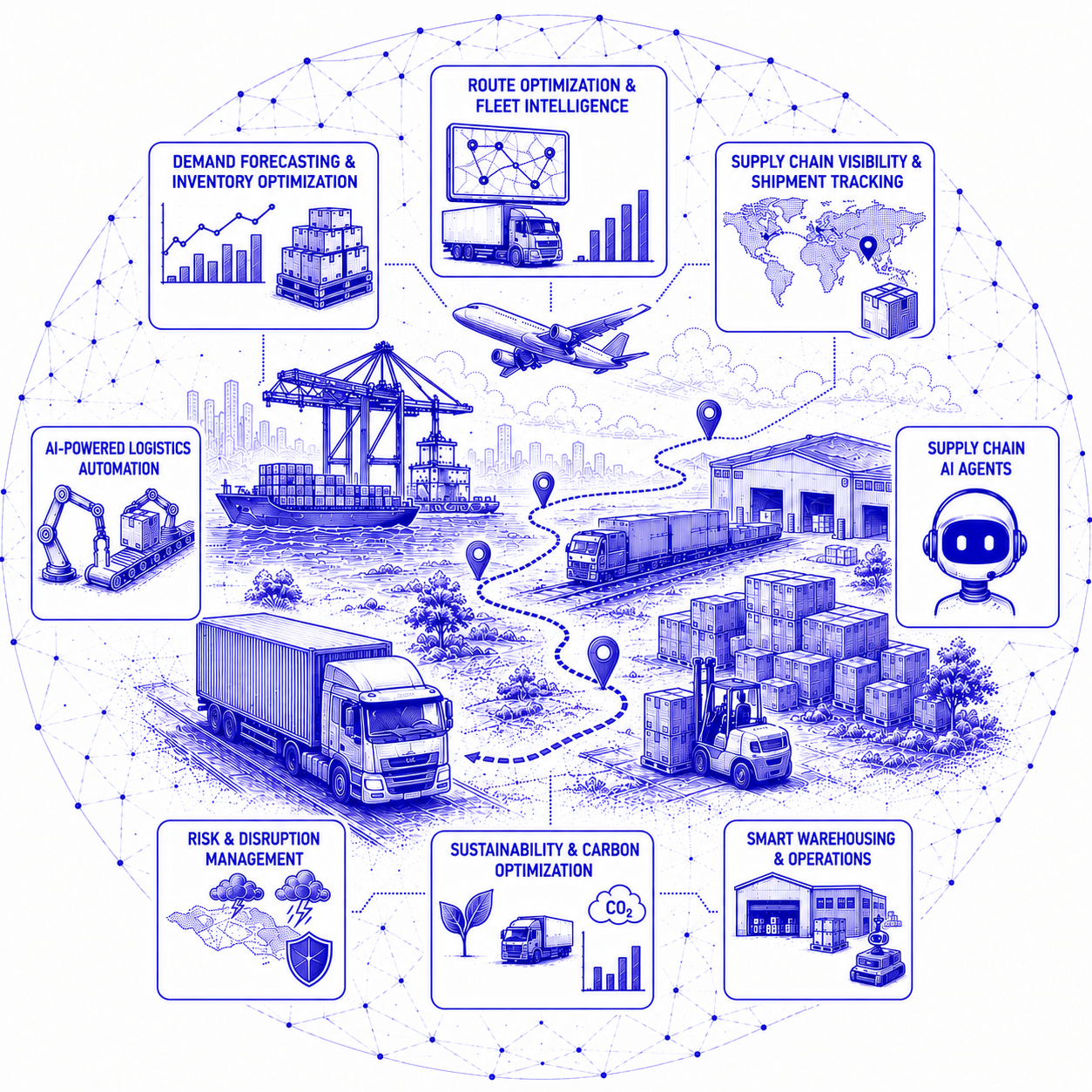
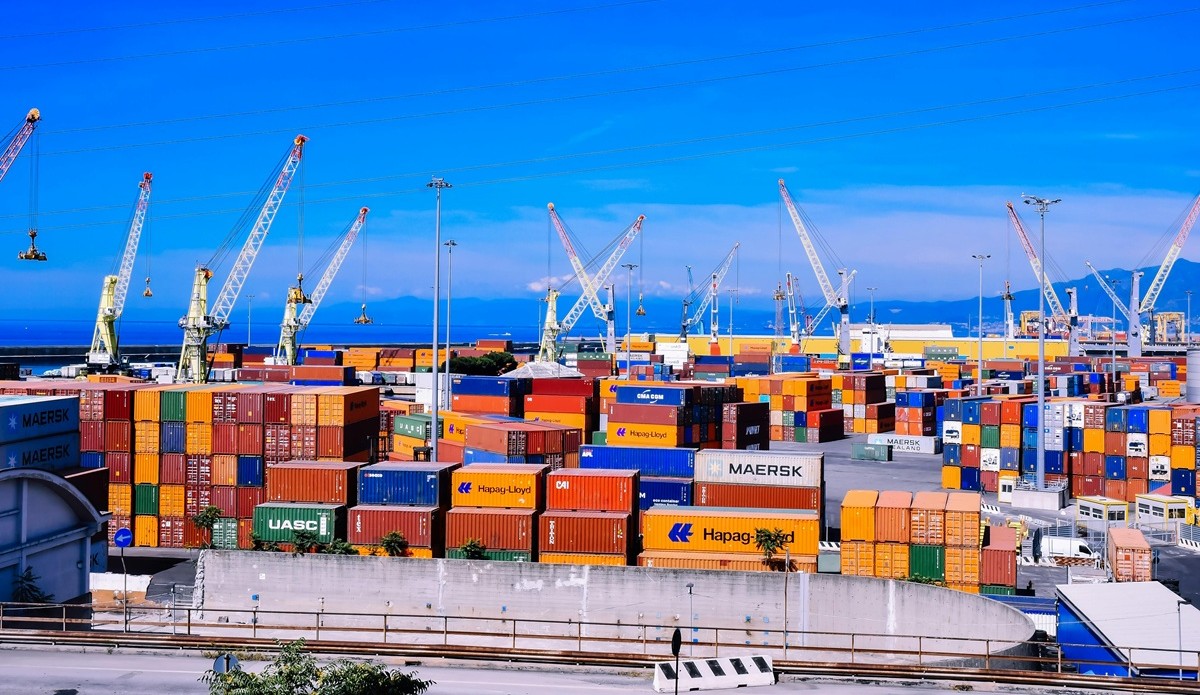
AI in supply chain refers to the use of artificial intelligence technologies to improve how goods move across supply chains, warehouses, transportation networks, suppliers, and logistics operations.
Companies use AI to analyze large volumes of logistics, inventory, shipment, operational, and supplier data. This helps them automate workflows, optimize delivery routes, improve supply chain visibility, reduce disruptions, and make faster operational decisions.
Today, AI applications in supply chain support:
Route Optimization
Inventory Intelligence
Logistics Automation
Supply Chain AI Agents
Carbon Optimization
Demand Forecasting
Supply chain and logistics organizations often operate with fragmented operational systems, transportation inefficiencies, supplier uncertainty, inventory volatility, and limited visibility across logistics networks. Omdena develops AI systems that help organizations automate operational analysis, improve logistics intelligence, and support faster, more informed supply chain decisions.
Monitor shipments, transportation networks, supplier activity, and logistics workflows using AI-powered supply chain visibility systems and predictive analytics.
Optimize delivery routes, transportation scheduling, fleet utilization, and logistics operations using AI-powered route optimization and vehicle routing systems.
Improve inventory planning, warehouse operations, procurement decisions, and demand forecasting using predictive machine learning models.
Identify disruption risks, transportation delays, and operational bottlenecks earlier using AI-powered monitoring, forecasting, and resilience intelligence systems.
Automate repetitive logistics analysis, shipment tracking, operational reporting, and planning workflows using AI agents and intelligent automation.
Support supply chain decarbonization initiatives using AI-powered emissions analytics, route optimization, and logistics efficiency systems.
Omdena develops AI solutions for supply chain optimization tailored to logistics operations, transportation networks, manufacturing workflows, inventory systems, and enterprise supply chain environments.
AI-powered route optimization systems that improve fleet operations, delivery scheduling, transportation efficiency, and logistics planning using optimization algorithms and predictive analytics.
Capabilities include
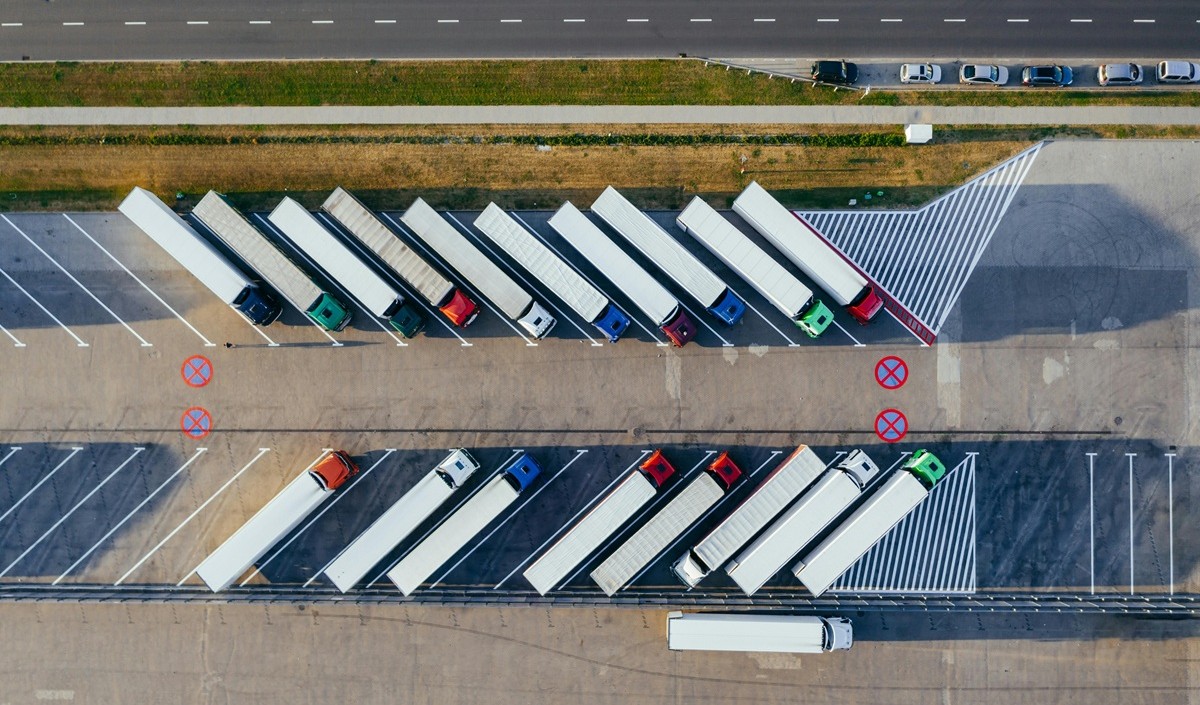
Build AI-powered supply chain visibility solutions that monitor shipments, identify delays, improve logistics transparency, and support operational intelligence.
Capabilities include
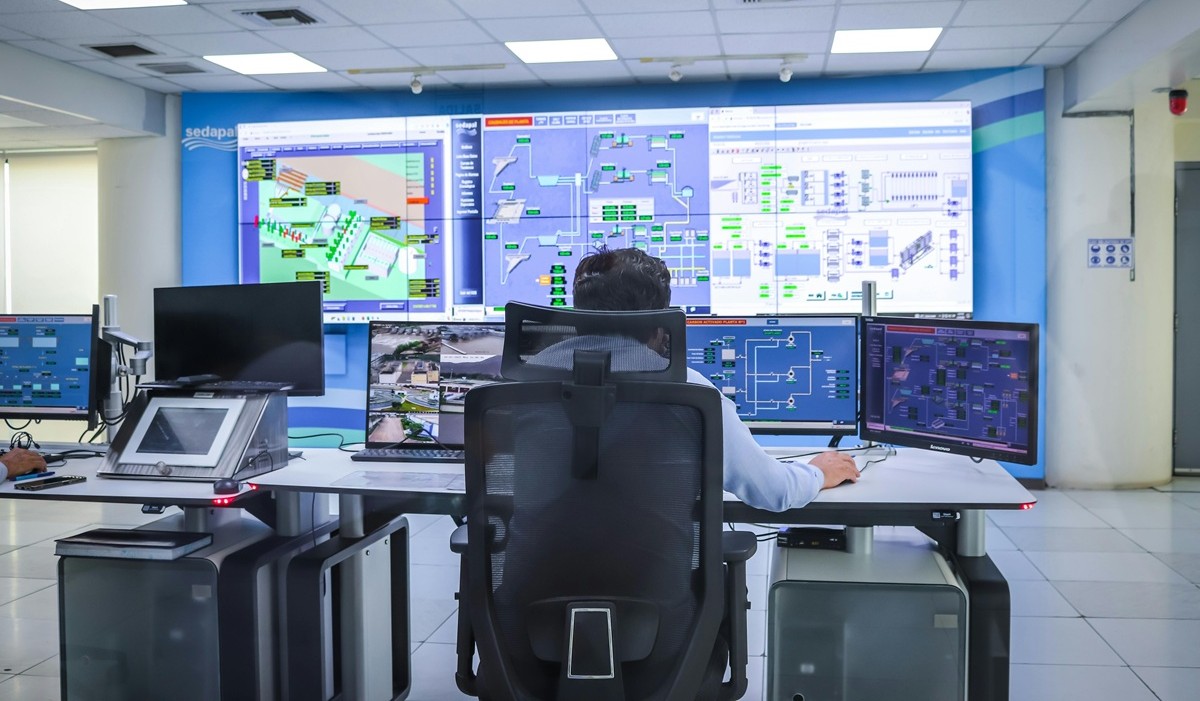
Develop predictive machine learning systems that improve inventory planning, supplier coordination, warehouse operations, and operational forecasting.
Capabilities include
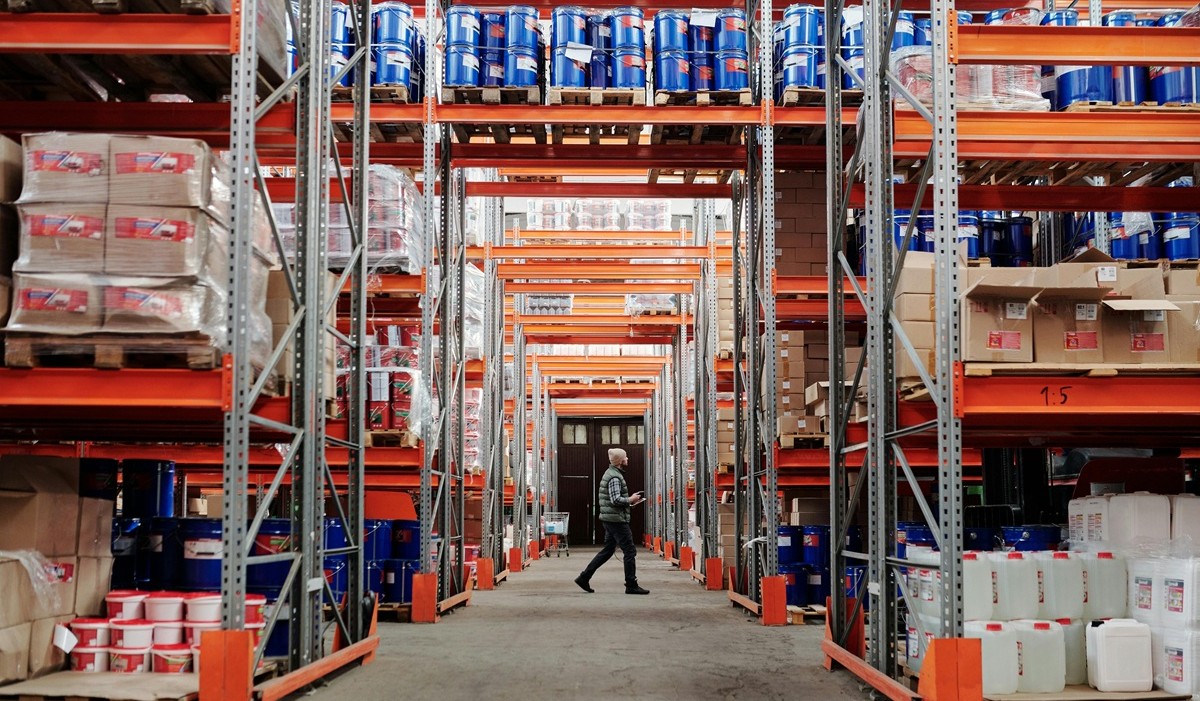
Leverage AI and intelligent automation to streamline logistics workflows, automate repetitive operational tasks, and improve supply chain efficiency.
Capabilities include
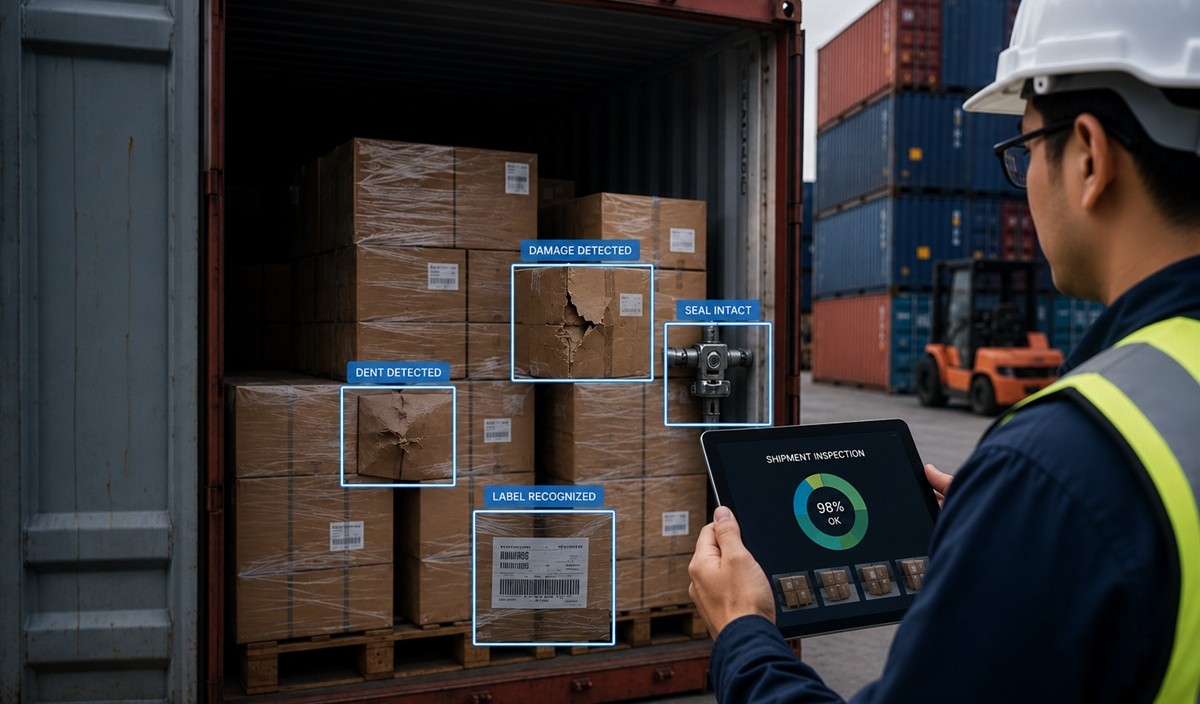
Build AI-powered computer vision systems that analyze cargo conditions, shipment integrity, and transportation risks across logistics operations.
Capabilities include
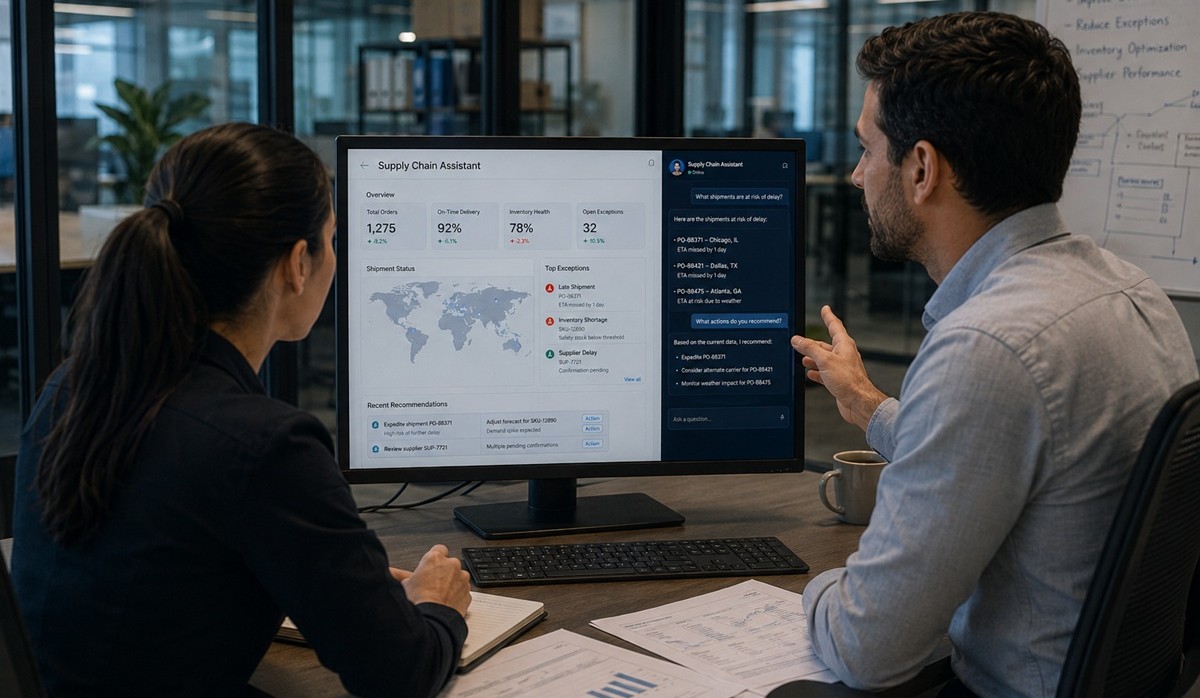
Develop intelligent AI agents that automate supply chain workflows, analyze logistics data, and support operational decisions in real time.
Capabilities include
Talk with Omdena's supply chain AI specialists about your logistics operations, transportation infrastructure, inventory systems, and operational objectives.
Book an AI Exploration Call →Many organizations struggle to move supply chain AI initiatives from experimentation to operational deployment. Omdena combines its proprietary agentic AI platform, structured delivery workflows, and vetted global AI teams to build production-ready AI systems for supply chain applications.
We develop AI systems designed for fragmented logistics data, transportation complexity, inventory volatility, operational bottlenecks, and enterprise supply chain workflows.
Our teams have delivered projects across route optimization, supply chain visibility, logistics intelligence, cargo monitoring, inventory optimization, emissions reduction, and operational resilience.
Deep experience in vehicle routing optimization, predictive machine learning, logistics analytics, computer vision, operational forecasting, and transportation intelligence.
AI engineers, logistics specialists, supply chain experts, operations teams, and technical stakeholders assembled around supply chain AI implementation, deployment, and operational support.
Validate supply chain AI opportunities quickly while building systems designed for operational deployment, workflow integration, monitoring, and long-term usability.
We prioritize transparency, explainability, sustainability, and human-centered implementation to support responsible AI adoption across logistics and supply chain operations.
Omdena has delivered AI supply chain solutions across logistics optimization, route intelligence, cargo monitoring, supply chain visibility, operational resilience, and sustainability analytics.
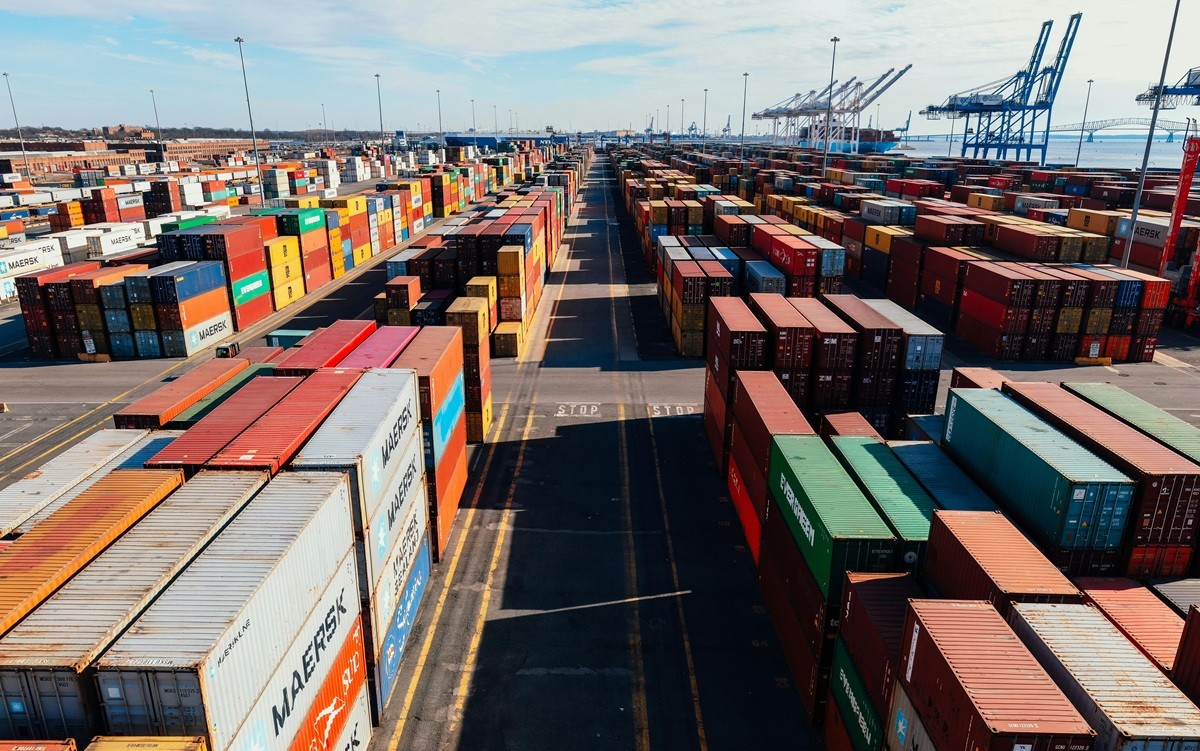
Applied AI across logistics planning to cut emissions and operational costs across enterprise supply chains.
Read case study →
Optimizing delivery routes using machine learning and graph theory to lower fuel use and emissions.
Read case study →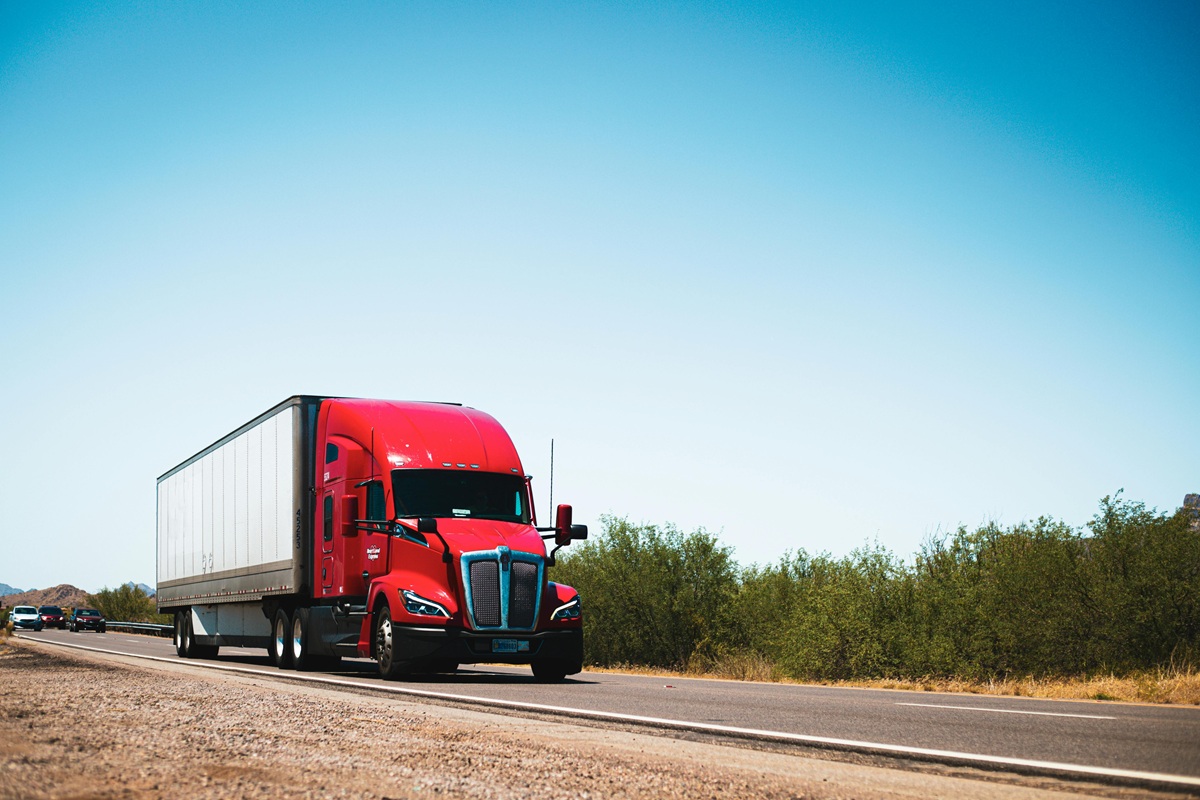
AI-enhanced route optimization for faster, more reliable last-mile delivery operations.
Read case study →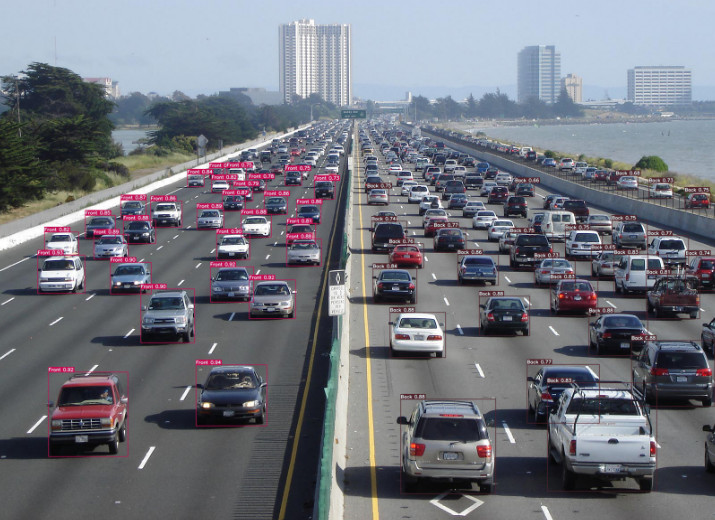
Predicting short-term traffic congestion on urban roads using machine learning for smarter logistics planning.
Read case study →Identify operational bottlenecks, logistics inefficiencies, transportation challenges, inventory issues, and AI opportunities.
Assess logistics systems, ERP infrastructure, shipment data, operational workflows, IoT systems, transportation networks, and warehouse data.
Select the right architecture including predictive ML, optimization AI, computer vision, AI agents, or generative AI systems.
Cross-functional engineers, logistics specialists, operations researchers, and stakeholders collaboratively develop and validate solutions.
Train and evaluate machine learning models using logistics datasets, operational systems, transportation data, and supply chain feedback loops.
Integrate AI-powered supply chain systems into logistics operations, warehouse workflows, transportation systems, and enterprise platforms.
Continuously improve model performance through monitoring, retraining, operational analytics, and logistics optimization.
Documentation, training, and ongoing optimization so your team can confidently manage and scale supply chain AI systems over time.
Use AI-powered route optimization, fleet intelligence, and predictive analytics to improve operational efficiency and reduce transportation expenses.
Monitor shipments, inventory, logistics networks, and operational workflows continuously using AI-powered monitoring systems.
Transform fragmented operational, logistics, and supplier datasets into actionable intelligence for faster strategic decisions.
Improve inventory planning, warehouse coordination, procurement workflows, and operational efficiency through predictive AI systems.
Identify disruption risks, transportation delays, operational bottlenecks, and supplier vulnerabilities earlier using predictive analytics and AI monitoring.
Reduce emissions and optimize logistics operations through AI-driven route planning, transportation analytics, and operational efficiency systems.
Partner with Omdena to build production-ready AI solutions for route optimization, logistics intelligence, inventory optimization, shipment visibility, and intelligent logistics automation.
Everything teams ask before partnering with Omdena on AI in supply chain and logistics.
Still have questions? Talk to us →AI in supply chain refers to the use of artificial intelligence technologies like machine learning, predictive analytics, optimization algorithms, computer vision, and intelligent automation to improve logistics operations, inventory management, transportation planning, supply chain visibility, and operational decision-making.