
Medical imaging
Detection and segmentation across radiology, pathology and ophthalmology.
Healthcare AI fails on weak validation and opaque process, not on model architecture. We build diagnostics, triage and operational systems with the evidence, evaluation, and governance the sector requires.
SECTOR HIGHLIGHT
Clinical
Diagnostics, triage, public-health and operational AI shaped around reviewable evidence.
See healthcare casesThe gap between a promising model and a deployable system is where most healthcare AI dies. We close it.
Clinical settings need robust, reproducible evaluation, not a single accuracy number.
Sensitive data demands secure handling, private deployments and a clean compliance trail.
Clinicians need to understand why a model flagged what it did.
Low-resource settings need models that run reliably with limited connectivity.
Detection and segmentation across radiology, pathology and ophthalmology.
Prioritize cases and route patients with evaluated, explainable models.
Decision-support tools that augment, not replace, clinical judgement.
Geospatial and predictive models for disease response programs.
Forecast demand, optimize scheduling and reduce administrative load.
Extract and structure clinical text with audit trails.
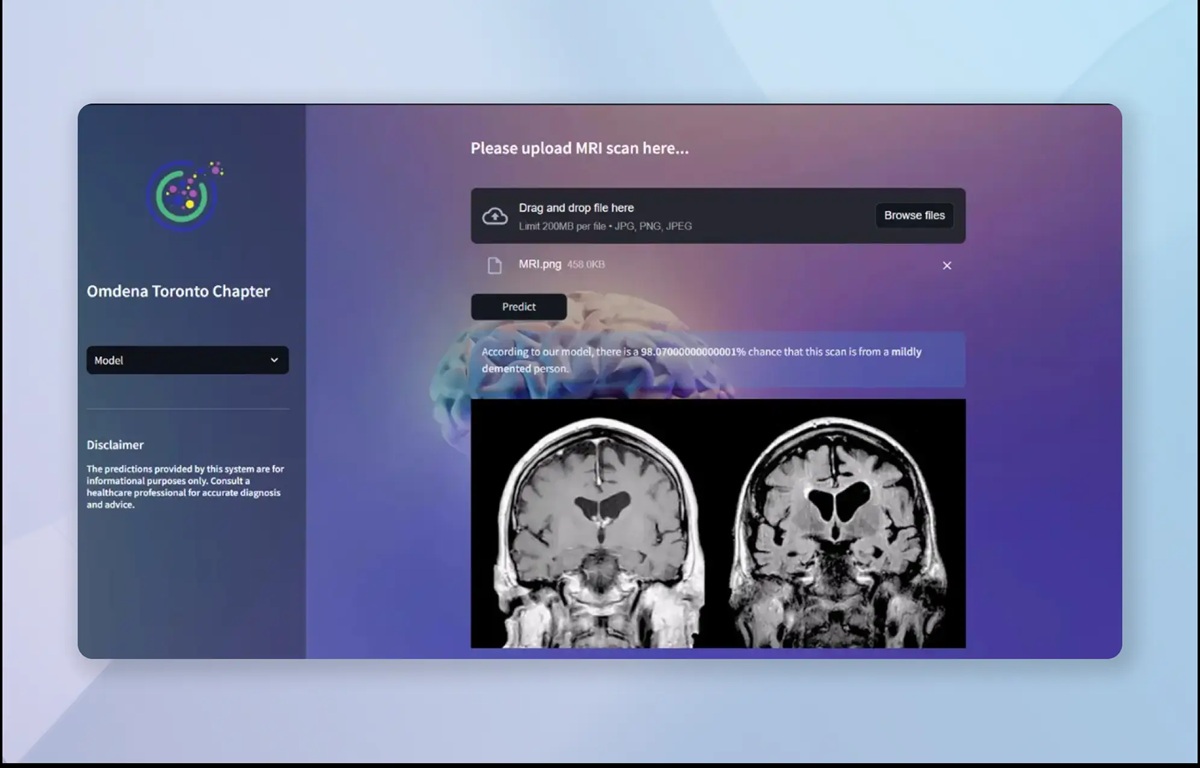 Medical Imaging · Neurology
Analyzing brain scans with deep learning to support earlier Alzheimer's detection and diagnosis.
Read case study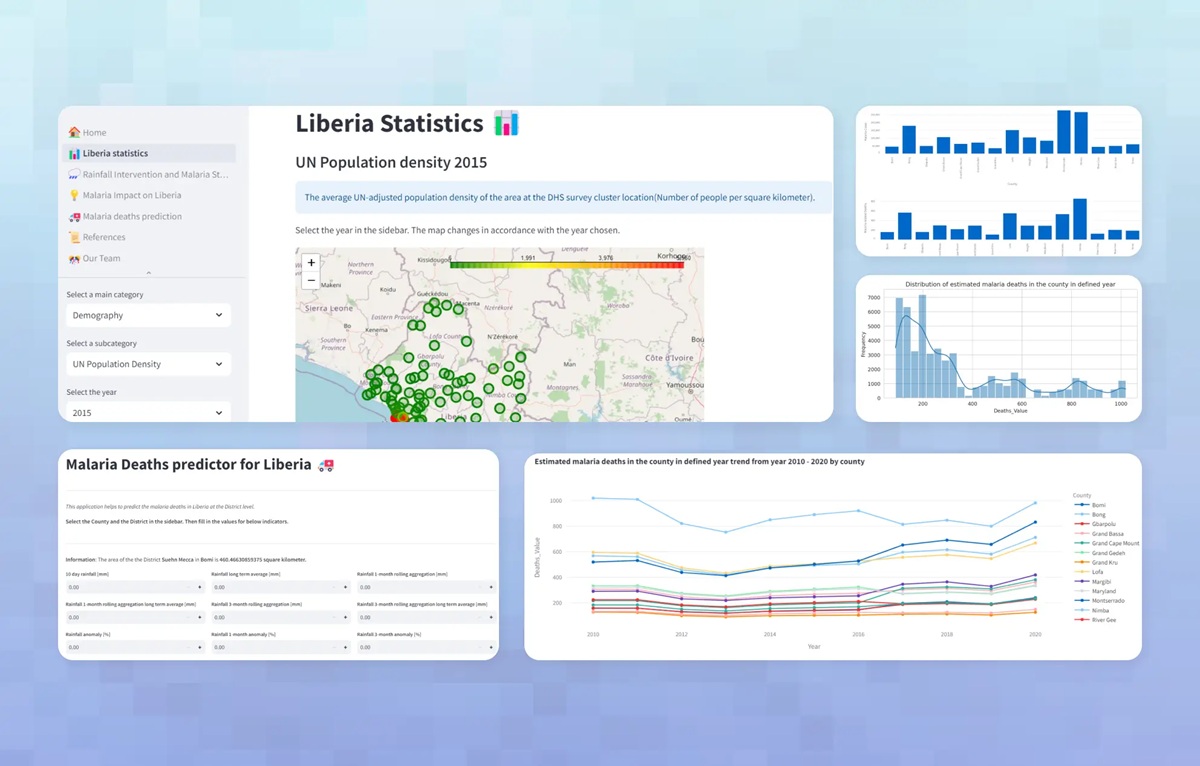 Predictive Health · Liberia
Forecasting malaria outbreak risk using machine learning and geospatial intelligence.
Read case study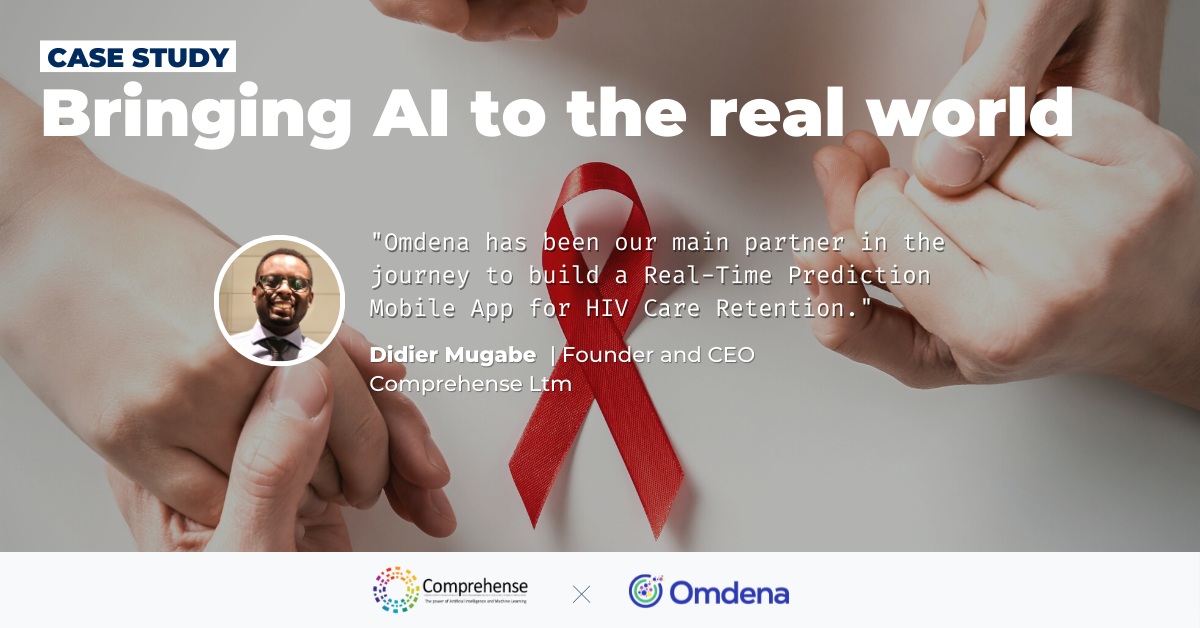 Patient Retention · HIV Care
A deployed mobile app that helps care teams identify retention risk and intervene earlier.
Read case study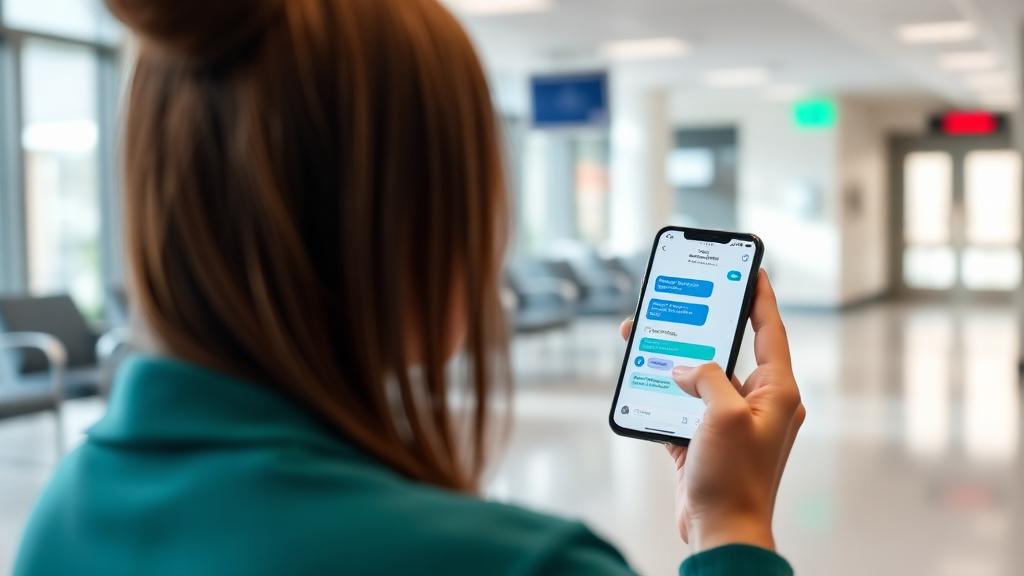 Healthcare Chatbot · Support
A healthcare chatbot designed to improve patient support and the hospital experience.
Read case studyAI in healthcare refers to the use of artificial intelligence technologies like machine learning, computer vision, predictive analytics, and generative AI to improve diagnostics, patient monitoring, clinical workflows, healthcare automation, and operational decision-making.
AI is used in healthcare for medical imaging analysis, disease prediction, remote patient monitoring, healthcare automation, personalized medicine, AI chatbots, anomaly detection, and clinical decision support.
Examples include AI-powered diagnostics, medical imaging AI, contactless patient monitoring, predictive healthcare analytics, healthcare chatbots, wellness recommendation systems, and clinical anomaly detection systems.
Yes. AI-powered healthcare monitoring systems can analyze biometric signals, wearable data, and video-based patient information to support continuous and contactless patient monitoring.
Healthcare AI solutions are used by hospitals, healthtech startups, pharmaceutical companies, NGOs, research institutions, insurance providers, and enterprise healthcare organizations.
Yes. Omdena develops custom AI solutions for healthcare tailored to operational workflows, clinical environments, healthcare infrastructure, and organizational goals.
Talk to a solutions architect about validation, governance, and a verified path to deployment.
Book a Demo