Trusted by Enterprises, Startups, NGOs & Innovation Teams Worldwide



Omdena helps climate organizations, enterprises, NGOs, governments, sustainability teams, and innovation leaders build AI solutions for climate change using geospatial AI, satellite imagery, predictive analytics, computer vision, generative AI, and intelligent automation.
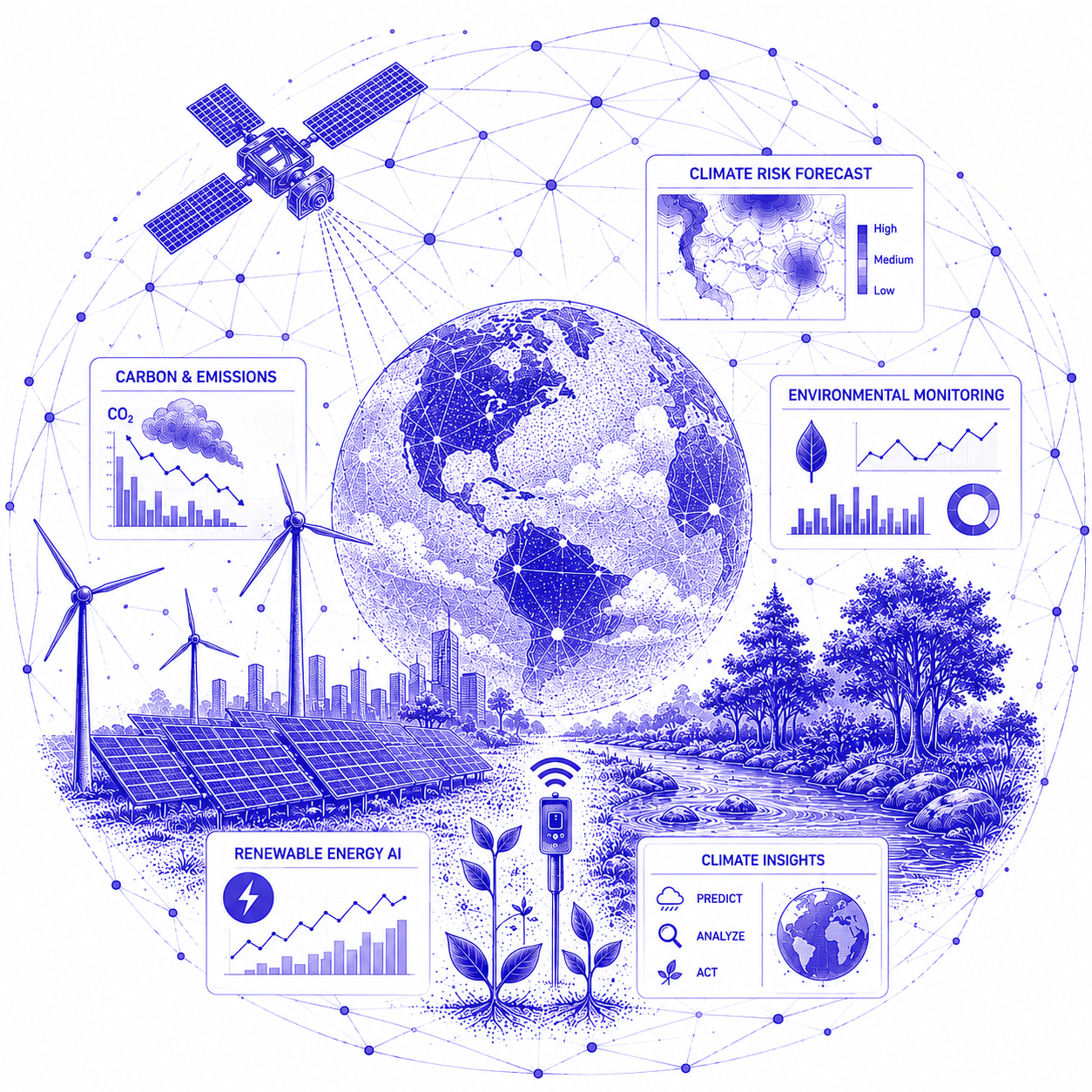
AI in climate change refers to the use of artificial intelligence, machine learning, geospatial AI, satellite imagery, computer vision, and predictive analytics to monitor environmental conditions and predict climate risks.
Climate AI systems help organizations analyze large volumes of satellite, environmental, operational, emissions, and climate data. They automate workflows, identify environmental risks earlier, improve sustainability operations, and support faster, more informed decision-making.
Today, AI applications in climate change support:
Climate Risk Forecasting
Carbon & Emissions
Geospatial Monitoring
Renewable Energy AI
Sustainability Agents
ESG Analytics
Climate organizations and sustainability teams often operate with fragmented environmental datasets, rapidly changing conditions, infrastructure complexity, and operational uncertainty. Omdena develops AI systems that help organizations improve visibility, automate environmental analysis, and support more informed climate decision-making.
Detect floods, environmental hazards, wildfire risk, sea-level rise, and climate anomalies earlier using geospatial AI, satellite imagery, and predictive analytics.
Automate emissions monitoring, carbon accounting, ESG reporting, and sustainability compliance using AI-powered environmental intelligence systems.
Improve hydropower, solar, and renewable infrastructure planning using predictive machine learning and geospatial optimization.
Unify satellite imagery, climate models, operational systems, weather datasets, and environmental intelligence into centralized AI-powered decision systems.
Support faster resilience planning and disaster preparedness using AI-powered forecasting, hazard mapping, and environmental monitoring.
Automate repetitive sustainability analysis, environmental reporting, and climate intelligence workflows using AI agents and intelligent automation.
Omdena develops climate AI solutions tailored to sustainability workflows, climate resilience goals, operational realities, and environmental intelligence needs.
AI-powered climate intelligence systems that forecast environmental risks, support disaster preparedness, and improve resilience planning using geospatial and predictive AI.
Capabilities include
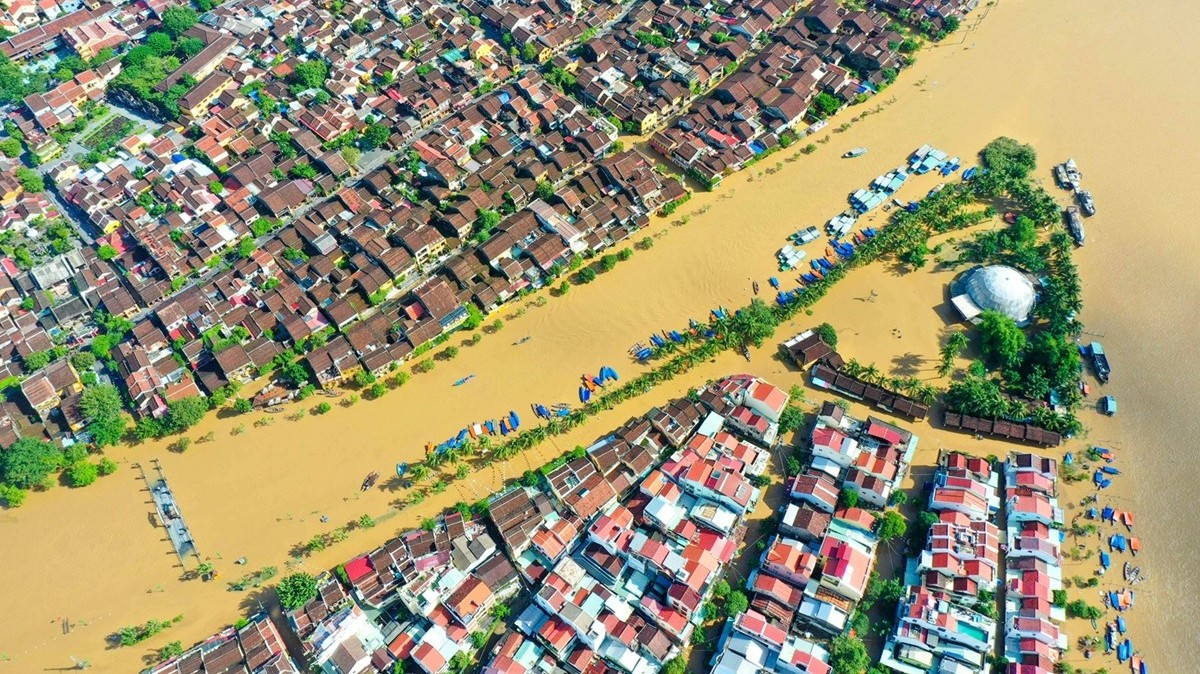
Build AI systems for emissions monitoring, carbon accounting, ESG analytics, and sustainability reporting across enterprise and environmental workflows.
Capabilities include
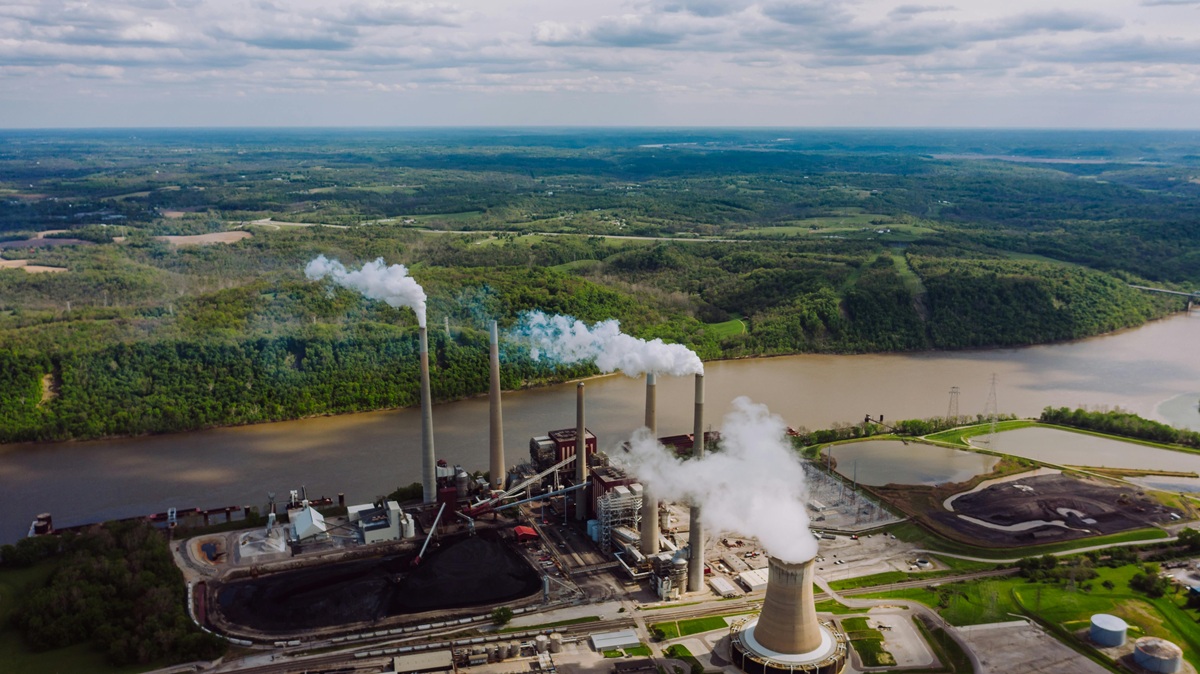
Leverage satellite imagery, GIS systems, and geospatial AI to monitor environmental conditions, analyze climate patterns, and improve sustainability planning.
Capabilities include
Develop AI systems that optimize renewable energy infrastructure, energy forecasting, and sustainable resource allocation.
Capabilities include
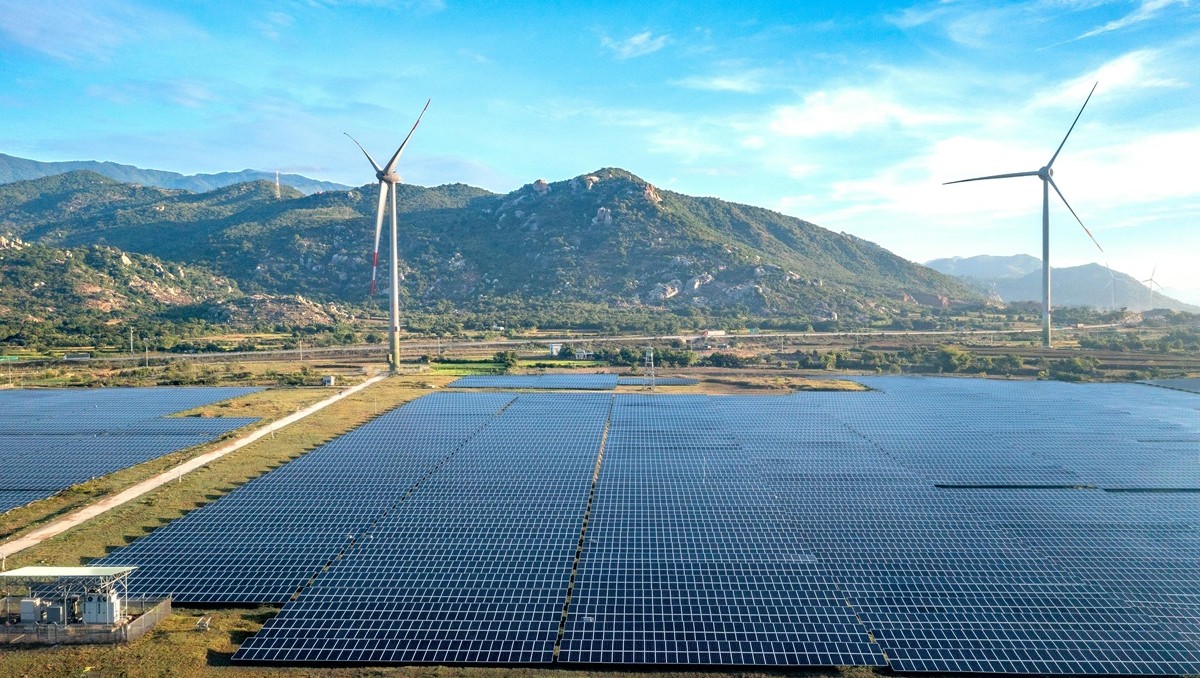
Use AI to monitor environmental risk, detect hazards, and support faster response planning across complex climate-sensitive systems.
Capabilities include
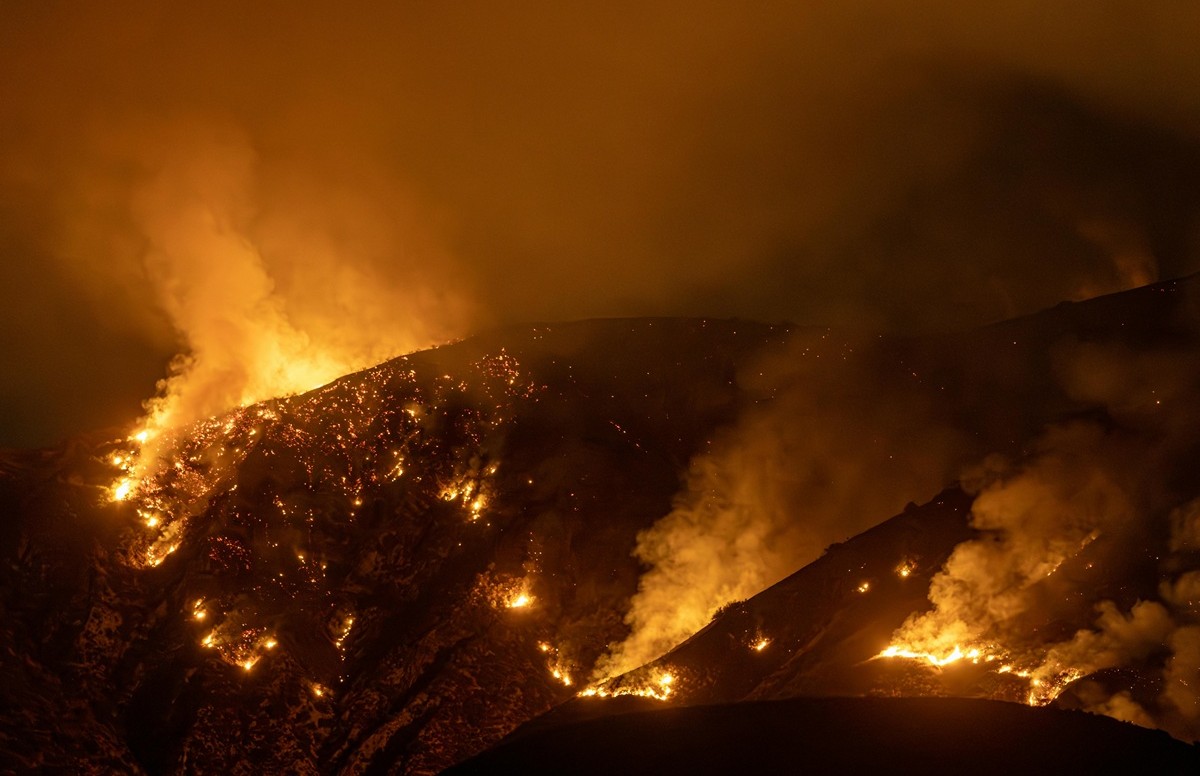
Build intelligent AI agents that automate sustainability workflows, analyze environmental data, and support operational climate decisions in real time.
Capabilities include

Talk with our climate AI specialists about your sustainability goals and data infrastructure.
Let's Discuss Your Climate AI Use Case →Many organizations struggle to move climate AI initiatives from experimentation to operational deployment. Omdena combines cross-functional AI expertise, geospatial intelligence capabilities, sustainability-focused AI development, and collaborative execution to build practical AI systems for climate resilience and environmental intelligence.
We develop AI systems designed for fragmented environmental data, changing climate conditions, remote operations, and infrastructure constraints.
Our teams have delivered projects across climate resilience, carbon intelligence, geospatial AI, renewable energy, sustainability, and environmental forecasting.
Strong experience in satellite imagery analysis, GIS systems, environmental monitoring workflows, and climate risk intelligence.
AI engineers, climate specialists, geospatial experts, sustainability researchers, and domain experts collaborate across disciplines and regions.
Validate climate AI opportunities quickly while building systems designed for operational deployment, scalability, and trustworthy development.
We prioritize transparency, explainability, sustainability, and human-centered implementation across climate and sustainability systems.
Omdena has delivered climate and sustainability AI initiatives across climate resilience, renewable energy, carbon intelligence, environmental monitoring, and geospatial analytics.
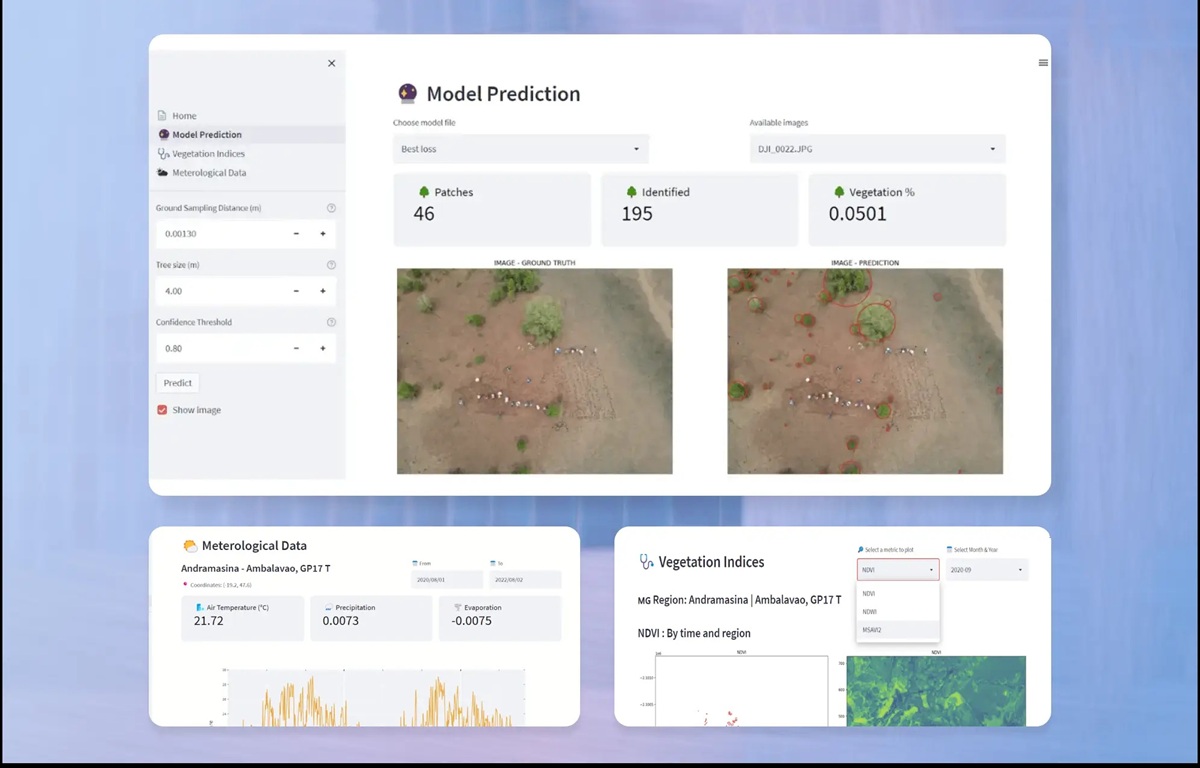
Combining satellite and drone imagery with machine learning to monitor reforestation sites at scale.
Read case study →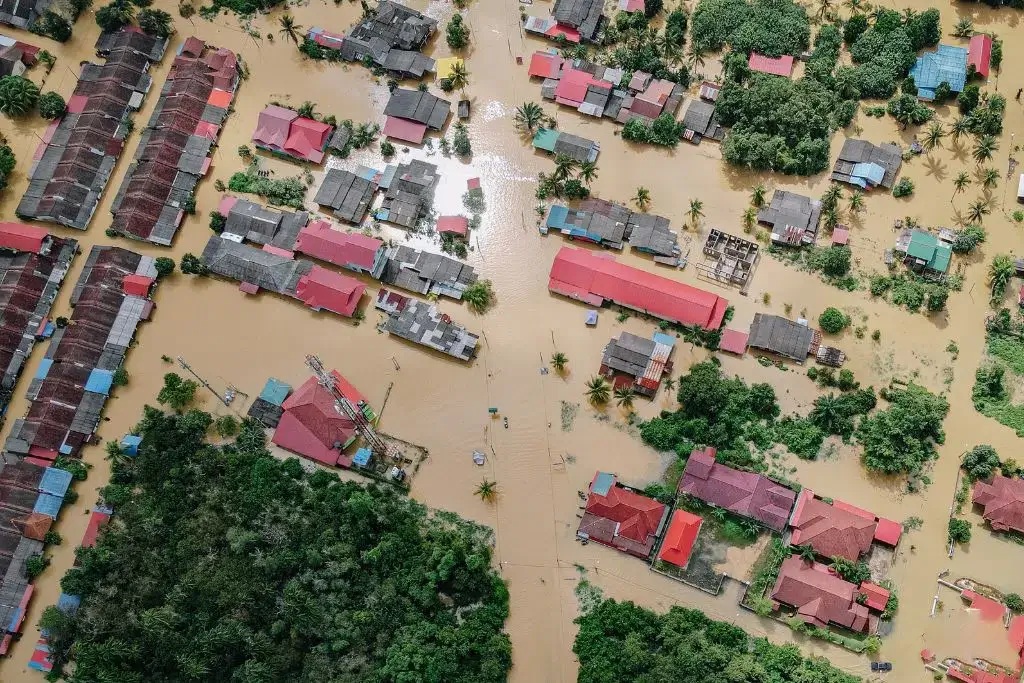
Integrating rainfall time series and GIS data to forecast floods and waterbody dynamics across Bangladesh.
Read case study →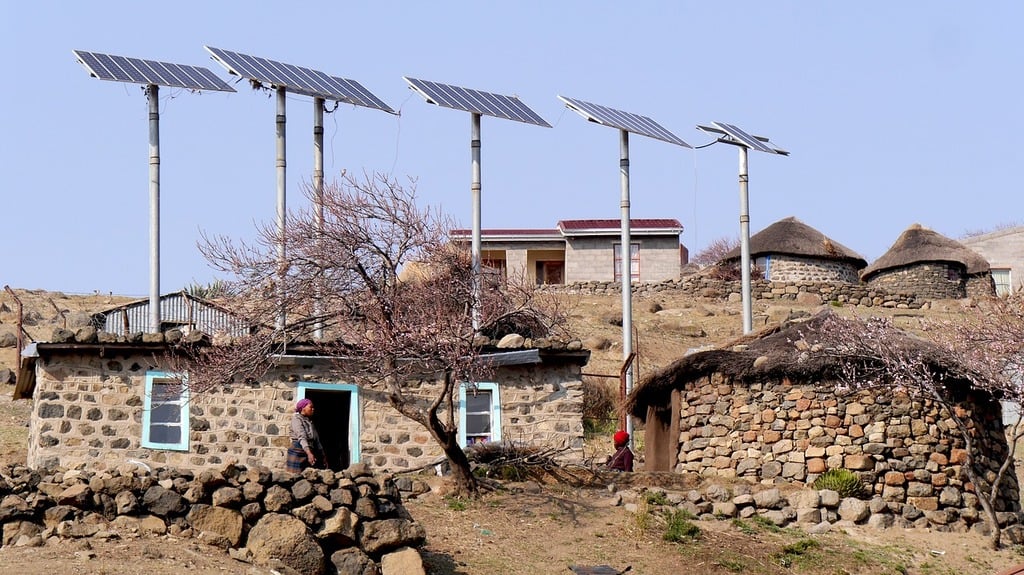
AI-powered geospatial analysis to identify the most viable locations for renewable microgrid deployment.
Read case study →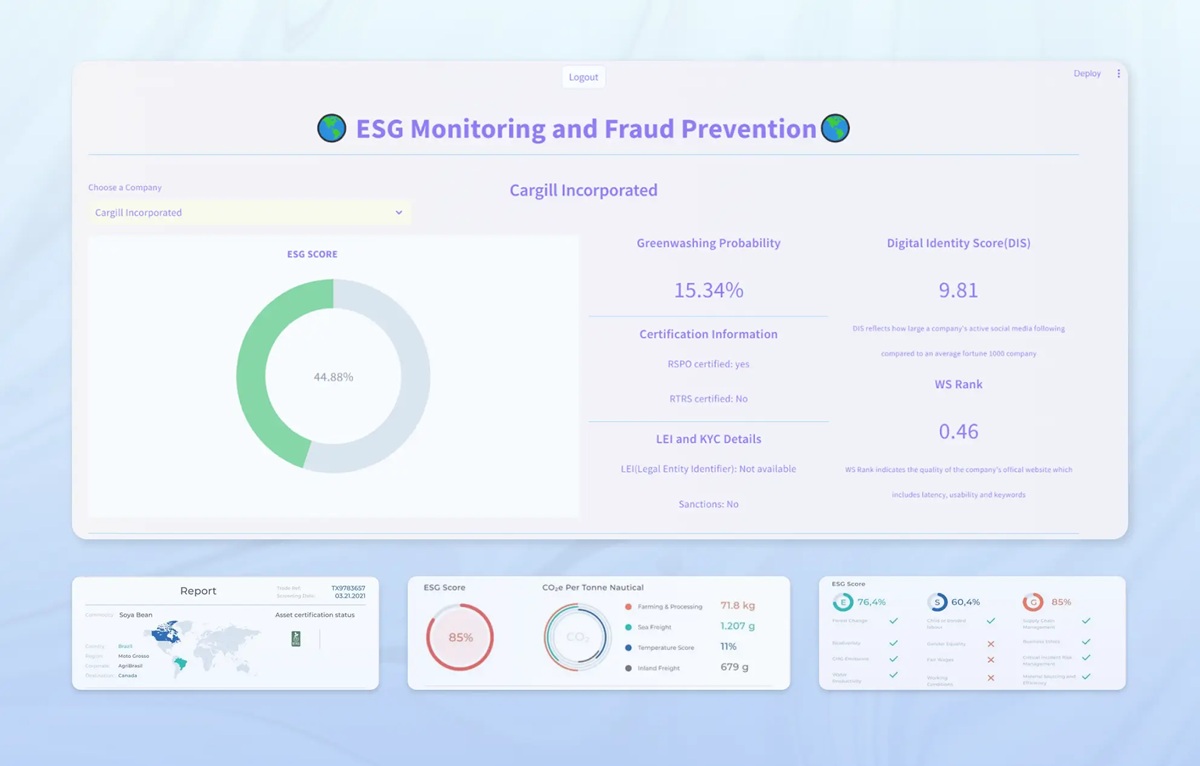
AI-driven ESG monitoring for SMEs that surfaces greenwashing and supports sustainable trade decisions.
Read case study →Identify operational bottlenecks, climate risks, sustainability objectives, and AI opportunities.
Assess satellite imagery, environmental datasets, weather systems, GIS data, emissions data, and operational infrastructure.
Select the right architecture including predictive ML, geospatial AI, computer vision, AI agents, or generative AI systems.
Cross-functional engineers, climate specialists, geospatial experts, and stakeholders collaboratively develop and validate solutions.
Train and evaluate machine learning models using environmental datasets, remote sensing data, and operational feedback loops.
Integrate climate AI systems into sustainability workflows, operational systems, and environmental monitoring processes.
Continuously improve model performance through monitoring, retraining, and operational optimization.
Documentation, training, and ongoing optimization so your team can confidently manage and scale climate AI systems over time.
Use predictive analytics, climate intelligence systems, and geospatial AI to identify environmental risks earlier and support faster adaptation planning.
Reduce manual work across emissions analysis, sustainability reporting, compliance monitoring, and environmental intelligence workflows.
Improve solar, hydropower, and microgrid planning using AI-powered forecasting, geospatial optimization, and infrastructure intelligence.
Monitor floods, emissions, wildfire risks, coastal vulnerabilities, and climate anomalies using satellite imagery and predictive AI systems.
Transform fragmented climate, environmental, and operational datasets into actionable intelligence for faster strategic decisions.
Continuously analyze environmental conditions, climate patterns, and sustainability metrics using AI-powered monitoring systems.
Partner with Omdena to develop AI systems for climate resilience, environmental monitoring, renewable energy optimization, carbon intelligence, and sustainability operations.
Everything teams ask before partnering with Omdena on AI for climate change.
Still have questions? Talk to us →AI in climate change refers to the use of artificial intelligence technologies like machine learning, geospatial AI, predictive analytics, and computer vision to monitor environmental systems, forecast climate risks, optimize sustainability operations, and support climate adaptation.