
Yield prediction
Forecast yields from weather, soil and remote-sensing signals.
Agricultural AI has to handle messy, real-world data from places public datasets ignore. We build yield, remote-sensing and agri-finance systems on data collected on the ground.
SECTOR HIGHLIGHT
Field
Computer-vision and advisory tools designed for real farm conditions and operational constraints.
See agriculture casesRepresentative field data is the hard part. Our global network collects it where the model will actually run.
Crops, soils and conditions vary by region, so data has to be local.
Satellite and drone imagery is noisy and needs careful, validated modelling.
Tools must work with limited connectivity and on basic devices.
Solutions have to reach farmers in their language and context.
Forecast yields from weather, soil and remote-sensing signals.
Computer vision that spots disease and pests early.
Satellite and drone analytics for land and crop monitoring.
Estimate and verify agricultural emissions and carbon.
Credit and insurance scoring for smallholder farmers.
Multilingual advisory and chat tools that reach the field.
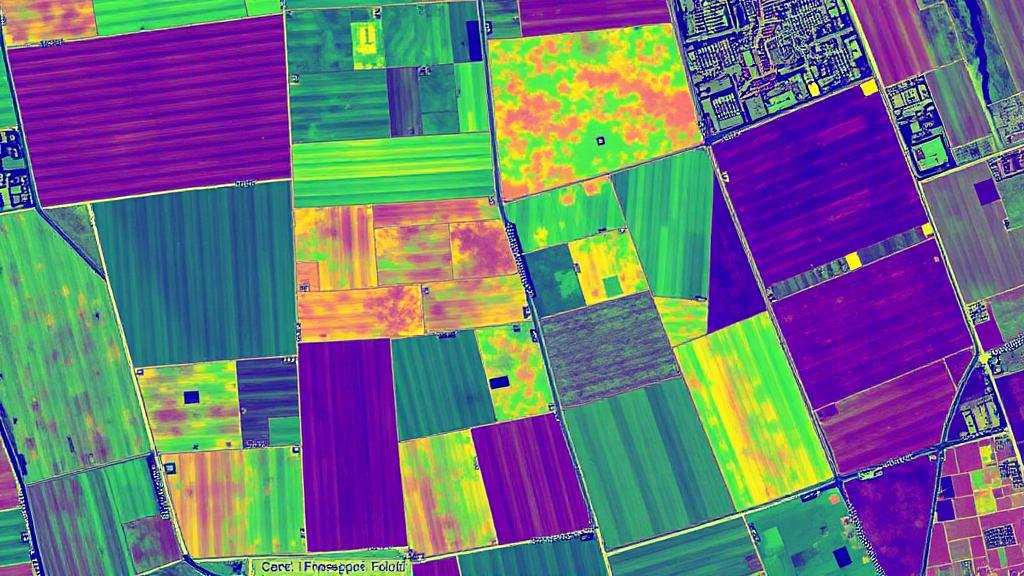 Geospatial AI · Yield
Combining satellite imagery and machine learning to forecast crop performance and improve food-security planning.
Read case study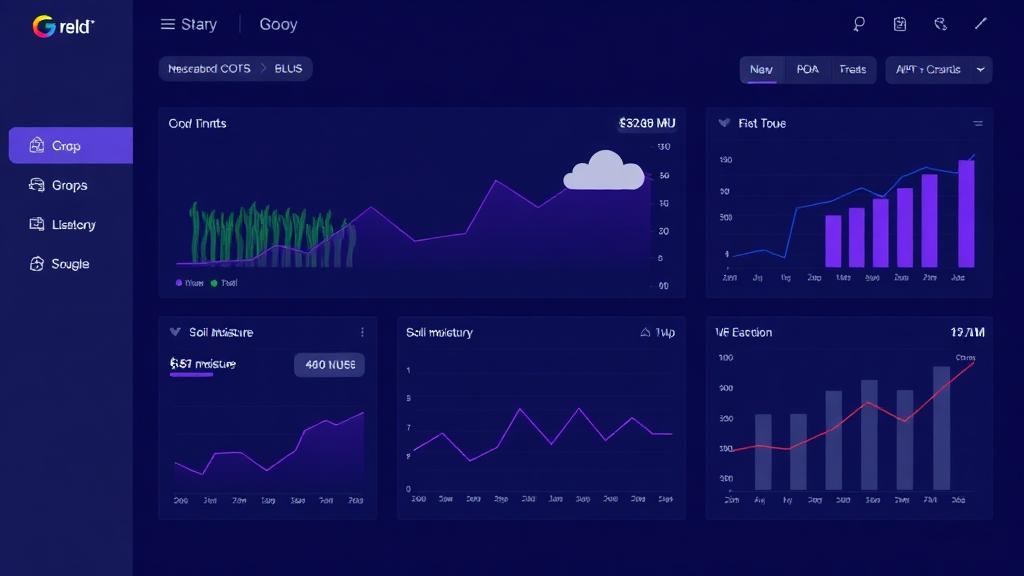 Decision Intelligence
An AI farm decision system that turns heterogeneous datasets into practical agricultural recommendations.
Read case study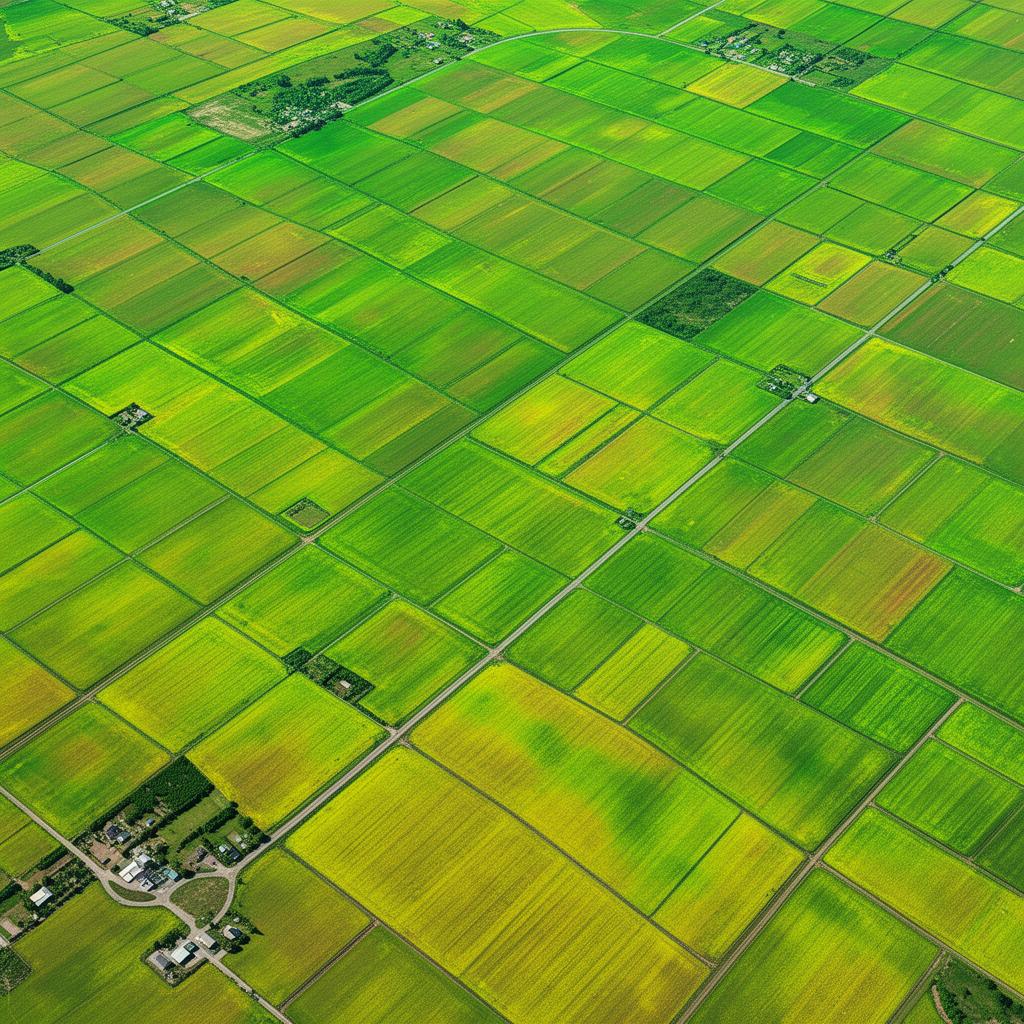 Computer Vision · Crop Health
Scalable crop-health monitoring built on remote-sensing pipelines and computer-vision models.
Read case study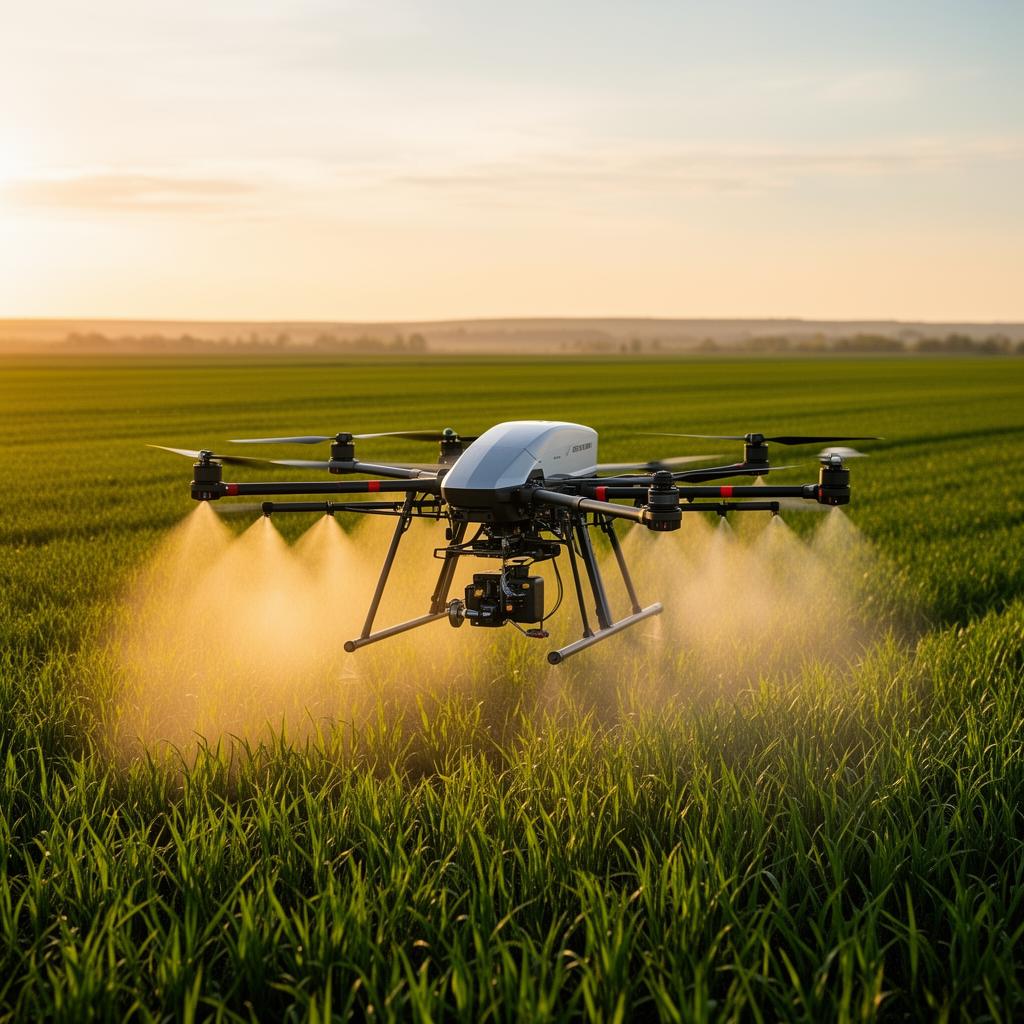 Sustainability · Operations
Precision-agriculture AI that lowers chemical inputs while preserving yield and protecting the environment.
Read case studyAI in agriculture refers to the use of artificial intelligence technologies like machine learning, computer vision, predictive analytics, and geospatial AI to improve farming operations, crop monitoring, sustainability, and agricultural decision-making.
AI is used in agriculture for crop health monitoring, disease detection, yield prediction, precision agriculture, smart irrigation, satellite imagery analysis, drone analytics, and farm automation.
Examples of AI in agriculture include crop disease detection systems, predictive yield forecasting, precision irrigation systems, weed detection using drones, geospatial crop monitoring, and agriculture AI agents.
Precision agriculture AI uses machine learning, geospatial data, IoT sensors, and predictive analytics to optimize agricultural operations and improve resource efficiency.
AI supports sustainable agriculture by reducing waste, optimizing fertilizer and water usage, improving environmental monitoring, and enabling climate-aware agricultural planning.
AI agents in agriculture are intelligent systems that automate agricultural workflows, analyze data, provide recommendations, and support operational decision-making.
Yes. Omdena develops tailored agriculture AI solutions based on organizational workflows, operational goals, data infrastructure, and agricultural challenges.
Talk to a solutions architect about field data, validation, and a path to deployment that holds up in the real world.
Book a Demo